

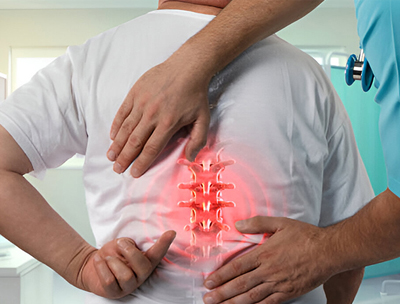
Spinal injuries are damage to the spinal column, its surrounding tissues, or the spinal cord, often caused by trauma like car accidents, falls, or sports injuries, but also by osteoporosis or tumors. Fractures are breaks in the vertebral bones, which can range from minor to severe and unstable. Spinal fractures can lead to spinal cord injury (SCI) if nerves are pinched or torn. Symptoms include pain, weakness, numbness, and loss of bowel or bladder control, requiring medical evaluation for diagnosis and treatment such as bracing, surgery, or cement injections for stabilization.
What is a Spinal Injury & Fracture?
Spinal Injury: Any trauma to the spinal column (the vertebrae, ligaments, and discs) or the spinal cord itself.
Spinal Fracture: A break or fracture in one or more of the bones (vertebrae) of the spine.
Spinal Cord Injury (SCI): Damage to the spinal cord, which carries signals between the brain and the body. A fracture can lead to SCI by compressing or tearing the spinal cord.
Causes:
Traumatic:
- Car accidents: A leading cause, especially among young people.
- Falls: Particularly common in elderly individuals.
- Sports injuries: High-impact activities can cause spinal fractures.
- Assaults: Gunshot or knife wounds can cause penetrating injuries to the spinal cord.
Non-Traumatic:
- Osteoporosis: Weakened bones can collapse or fracture with minimal force, like coughing.
- Spinal tumors: Tumors can weaken vertebrae, making them susceptible to fracture.
Symptoms:
Symptoms vary depending on the severity and location of the injury but can include:
- Pain: In the neck or back.
- Weakness: Or loss of strength in arms or legs.
- Numbness or Tingling: A feeling of pins and needles.
- Muscle Spasms: Involuntary muscle contractions.
- Loss of Bowel or Bladder Control: Due to nerve damage affecting these functions.
Diagnosis and Treatment:
Diagnosis: Healthcare providers use physical exams, X-rays, CT scans, and MRIs to identify the fracture and any spinal cord damage.