

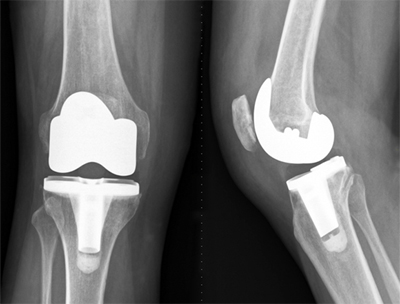
Joint replacement surgery, also known as arthroplasty, is a surgical procedure to replace a damaged or dysfunctional joint with an artificial one, or prosthesis. This is typically done to alleviate pain and restore function in joints severely affected by conditions like osteoarthritis, rheumatoid arthritis, or fractures. The surgery involves removing the damaged parts of the joint and replacing them with artificial components made of metal, plastic, or ceramic.
What it is:
Restoring joint function:Arthroplasty aims to improve a patient's quality of life by reducing pain and restoring the joint's range of motion.
Artificial joint (prosthesis):The replaced joint is made of durable materials like metal (e.g., titanium, cobalt-chromium), plastic (e.g., polyethylene), or ceramic, designed to mimic the movement of a healthy joint.
Commonly replaced joints:Hip and knee replacements are the most frequent, but other joints like shoulders, ankles, wrists, and elbows can also be replaced.
Indications:Joint replacement surgery is usually considered after non-surgical treatments (like physical therapy, medications, and lifestyle changes) have been tried and failed to provide adequate relief.
Common reasons for joint replacement:
- Osteoarthritis: A degenerative joint disease that causes cartilage loss and pain.
- Rheumatoid arthritis: An autoimmune disease that causes inflammation and damage to the joints.
- Fractures: Severe fractures, especially of the hip, may necessitate joint replacement, especially in older adults.
- Anesthesia: Patients receive either general anesthesia (putting them to sleep) or regional anesthesia (numbing from the waist down).
- Joint preparation: The damaged cartilage and bone are removed, and the bone surfaces are prepared to accommodate the prosthetic components.
- Implantation: The artificial joint components are then inserted and secured, often with bone cement or screws.
- Repair and closure: Muscles and tendons around the joint are repaired (if necessary), and the surgical incision is closed.
Surgical procedure:
- Pain management: Pain is common in the initial weeks after surgery, but pain management techniques are used to help control it.
- Physical therapy: Rehabilitation through physical therapy is crucial for regaining strength, flexibility, and range of motion.
- Full recovery: Complete recovery can take several months to a year, with knee replacements typically requiring around three months and hip replacements around two months for noticeable improvement.