

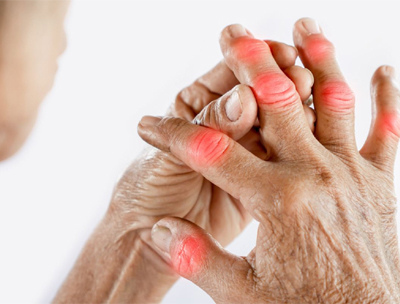
Arthritis is a broad term encompassing over 100 different conditions characterized by joint inflammation and pain. Symptoms typically include joint pain, stiffness, and swelling, which can worsen with age or injury. While there's no cure, various treatments can help manage pain, reduce inflammation, and preserve joint function.
Key Aspects of Arthritis:
Definition: Arthritis refers to inflammation or degeneration of one or more joints, where two bones meet.
Symptoms: Common symptoms include joint pain, stiffness, and swelling.
Causes: Arthritis can be caused by factors like aging, injury, autoimmune responses, or infection.
Types: Osteoarthritis is the most common, but rheumatoid arthritis, psoriatic arthritis, and gout are also prevalent.
Treatment: Treatments include lifestyle changes (weight loss, exercise), medications (NSAIDs, steroids, DMARDs), and other therapies.
Prevention: While not all forms of arthritis are preventable, maintaining a healthy weight, staying active, and avoiding smoking can reduce risk.
Further Exploration
Initial Symptoms: Early signs often include joint pain and stiffness, especially in the morning or after inactivity.
Types of Arthritis: Besides osteoarthritis and rheumatoid arthritis, other types include psoriatic arthritis, gout, and reactive arthritis.
Prevention: Maintaining a healthy weight, engaging in regular physical activity, and avoiding smoking can help reduce the risk of developing arthritis.
The Disease/Condition: Arthritis is a chronic condition affecting the joints, and its impact can vary widely depending on the type and severity.